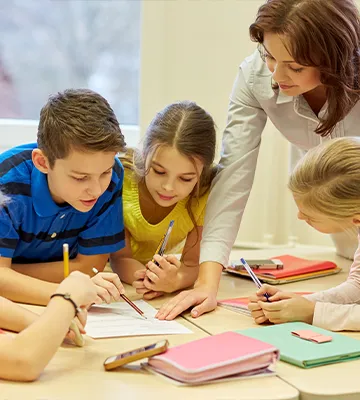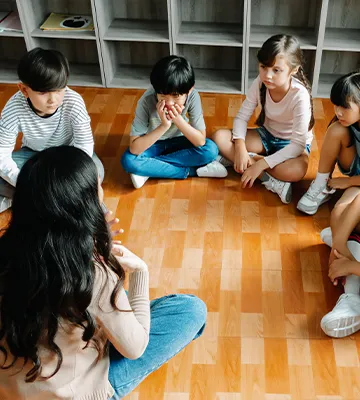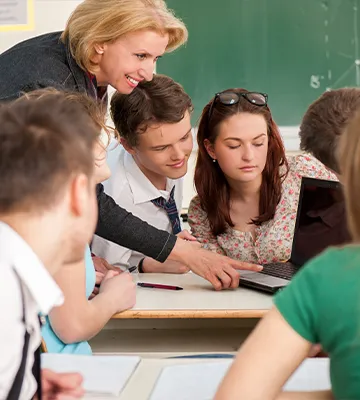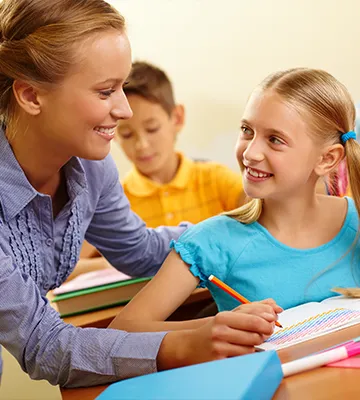
In modern educational settings, conflicts are an inevitable part of interpersonal interaction, arising from differences in perspectives, values, communication styles, and emotional responses. When not managed effectively, conflicts can negatively impact relationships, classroom climate, and overall well-being. However, when approached constructively, they offer valuable opportunities for growth, learning, and improved collaboration.
This training course is designed to equip educators and education professionals with the knowledge, skills, and practical tools needed to understand, manage, and transform conflicts in school environments. The programme integrates principles from emotional intelligence, social and emotional learning (SEL), and communication theory to support participants in developing effective conflict resolution strategies.
Through an experiential and participatory approach, participants will explore the emotional, cognitive, and behavioural dimensions of conflict. The training emphasises self-awareness, empathy, communication, and collaborative problem-solving, enabling participants to foster inclusive, respectful, and supportive learning environments.
The training course will focus on the following areas:
Emotional awareness and its role in conflict situations
Interpersonal dynamics and perception in communication
Types, causes, and escalation patterns of conflicts
Conflict styles and behavioural responses
Practical conflict resolution and mediation strategies
Effective communication techniques, including assertiveness and active listening
Teamwork, collaboration, and relationship-building
Stress management and conflict prevention in educational contexts

INNOVAQEU
Training schedule
Understanding Conflict and Ourselves
The first day introduces participants to the concept of conflict and encourages them to reflect on their own attitudes and emotional responses.
Through an interactive positioning activity, participants explore different perspectives on conflict and begin to recognise how personal beliefs influence behaviour. This is followed by guided reflection exercises where participants identify their typical reactions and emotional triggers in conflict situations.
Additional activities focus on how perception shapes understanding, helping participants realise that conflicts often arise from differing interpretations rather than objective reality.
The day concludes with a group discussion where participants share experiences and insights.
Why Conflicts Happen
Participants examine the underlying causes and dynamics of conflict, with particular emphasis on communication breakdowns, stress, and differing perspectives.
Through the analysis of realistic school-based case studies, participants explore how conflicts develop and escalate. They also complete a conflict styles questionnaire, which helps them understand their preferred ways of responding to conflict.
Interactive simulations demonstrate how miscommunication can lead to misunderstandings, while group work activities allow participants to identify key factors that contribute to either escalation or resolution. Reflection and discussion support deeper understanding.
Communication as the Key to Resolution
The third day focuses on developing communication skills essential for effective conflict management.
Participants engage in practical exercises that strengthen active listening and help them understand the importance of truly hearing others’ perspectives. Through role-play scenarios, they explore how communication can either escalate or de-escalate conflict situations.
Participants also practice assertive communication techniques, learning how to express their needs and boundaries clearly while respecting others. An introduction to non-violent communication provides additional tools for constructive interaction.
Feedback and reflection are integrated throughout the day.
From Reaction to Resolution
Participants move from understanding conflict to actively resolving it. They are introduced to structured conflict resolution approaches, which they apply through guided simulations and role-play activities based on real-life scenarios.
Working in small groups, participants practice problem-solving and mediation techniques, learning how to facilitate constructive dialogue between conflicting parties. These activities allow participants to experiment with different strategies and reflect on their effectiveness.
The day emphasises practical application and skill development.
Building a Positive and Collaborative School Culture
The final day focuses on prevention and long-term impact, highlighting the importance of creating a positive and collaborative environment.
Participants engage in team-building activities that demonstrate the value of cooperation and trust. They explore strategies for preventing conflict through effective communication and emotional awareness, including techniques for managing stress.
Through guided reflection, participants consider how their attitudes and behaviours influence the broader school climate.
The day concludes with the development of a personal action plan, enabling participants to transfer what they have learned into their professional practice, followed by evaluation and closure.
If you are a group of 4 or more people from the same organization and you don’t see any dates that suit your group, send us an e-mail with the proposed dates and we will make the appropriate arrangements for you!
Fill out the form to express your interest or ask questions. Our training coordinator will provide details and guide you through the application process. We look forward to welcoming you!
Share:
Facebook
X
LinkedIn
WhatsApp
Email
Accessibility Adjustments
Accessibility Commitment for INNOVAQEU
At INNOVAQEU, we are committed to making our digital presence as accessible and inclusive as reasonably possible for all users, including individuals with disabilities. Our goal is to improve the usability of https://innovaqeu.com and to support a more accessible experience for everyone, regardless of their abilities or the technologies they use.
Our Approach to Accessibility
We aim to align with the Web Content Accessibility Guidelines (WCAG), which define internationally recognized standards for digital accessibility. While full compliance cannot always be guaranteed, we strive to implement improvements where feasible and regularly review accessibility-related aspects of our website. Accessibility is an ongoing process, and we are committed to improving the experience over time as technologies, standards, and user needs evolve.
Accessibility Features
To support accessibility, https://innovaqeu.com may utilize tools such as this accessibility toolbar. This interface provides users with a range of helpful features, including:
Adjustable text size and contrast settings
Highlighting of links and text for better visibility
Full keyboard navigation of the toolbar interface
Quick launch via keyboard shortcut: Alt + . (Windows) or ⌘ + . (Mac)
Please note the following:
The availability and effectiveness of these features depend on the website's configuration and ongoing maintenance.
While we strive to ensure accessibility, we cannot guarantee that every part of https://innovaqeu.com will be fully accessible at all times. Some content may be provided by third parties or affected by technical constraints beyond our immediate control.
Feedback and Contact
We welcome your feedback. If you experience any accessibility barriers or have suggestions for improvement, please contact us: Email: [email protected] We are committed to reviewing all inquiries and aim to respond within 3–5 business days. If you require assistance accessing any part of this website, we are happy to provide support through alternative channels upon request. Last updated: March 9, 2026